

You set out for a ride expecting fresh air, exercise, or a commute to work. Then, in a matter of seconds, everything changes.
A collision between a cyclist and a motor vehicle is often chaotic. Adrenaline can mask serious injuries, your bicycle may be badly damaged, and you may not know what to do next. The decisions you make in the minutes, hours, and days following the collision can affect not only your health but also your ability to recover financially if someone else’s negligence caused your injuries.
If you’ve been hit by a vehicle while cycling in Ontario, here’s what you should do to protect yourself, preserve important evidence, and focus on your recovery.
Your Health Comes First: What to Do Immediately After the Collision
1. Check Yourself for Injuries
Even if you feel “okay,” take a moment to assess yourself. Cyclists frequently experience adrenaline after a crash, which can temporarily hide symptoms of serious injuries such as concussions, fractures, internal injuries, or spinal injuries.
If you have neck pain, dizziness, difficulty moving, or you suspect a head injury, avoid getting up unless it is necessary for your immediate safety.
2. Call 911
If anyone has been injured, call 911 immediately.
Police and paramedics create independent documentation of what occurred. This information can become important later if questions arise about how the collision happened or who was responsible.
3. Report the Collision
Provide police with an accurate description of what occurred but avoid speculating. Simply explain what you observed.
If possible, obtain:
- The driver’s name
- Driver’s licence information
- Insurance information
- Licence plate number
- Vehicle make and model
4. Seek Medical Attention
Some injuries develop over several hours or even days.
If paramedics recommend attending the hospital, follow their advice. Even if you don’t go immediately, arrange to see your family physician or visit a walk-in clinic as soon as possible.
Medical records created shortly after the collision often become important evidence if an insurance claim or lawsuit becomes necessary.
5. Preserve the Evidence Before It Disappears
Evidence has a way of disappearing quickly after a collision.
If you’re physically able or if someone can assist you, try to preserve as much information as possible.
6. Take Photographs
Photograph:
- Your injuries
- Your bicycle from multiple angles
- Damage to your helmet
- The vehicle involved
- Road conditions
- Skid marks
- Debris
- Traffic signs
- Bike lane markings
- Weather conditions
- The overall accident scene
Don’t stop after the first day.
Bruising, swelling and road rash often become more visible over the following days. Continue documenting your injuries as they heal.
Speak With Witnesses
Independent witnesses can become extremely important.
Ask for:
- Names
- Phone numbers
- Email addresses
If someone saw the collision, ask if they would be willing to briefly describe what they observed while it’s still fresh in their memory.
Digital Evidence Matters More Than Ever
Modern cyclists often carry a surprising amount of evidence without realizing it.
Consider preserving:
- GPS ride data
- Strava activities
- Garmin ride information
- Apple Watch or smartwatch workout data
- Heart rate information
- Cycling computer files
- Phone location history
Do not delete these records.
They may help establish:
- Your speed
- Your route
- The exact location
- Time of collision
- Direction of travel
In some cases, this information can assist accident reconstruction experts.
Equipment That Can Protect You Before a Collision Happens
No amount of protective equipment can prevent every collision, but it can reduce injuries and provide valuable evidence.
Consider using:
A Properly Fitted Helmet
Ontario law requires cyclists under 18 to wear an approved bicycle helmet, and helmets are strongly recommended for riders of every age.
A damaged helmet should never be reused after a collision.

Bright Clothing and Reflective Gear
Being seen is one of the simplest ways to reduce collision risk.
Reflective clothing, lights and visibility gear become especially important during:
- Dawn
- Dusk
- Night riding
- Poor weather

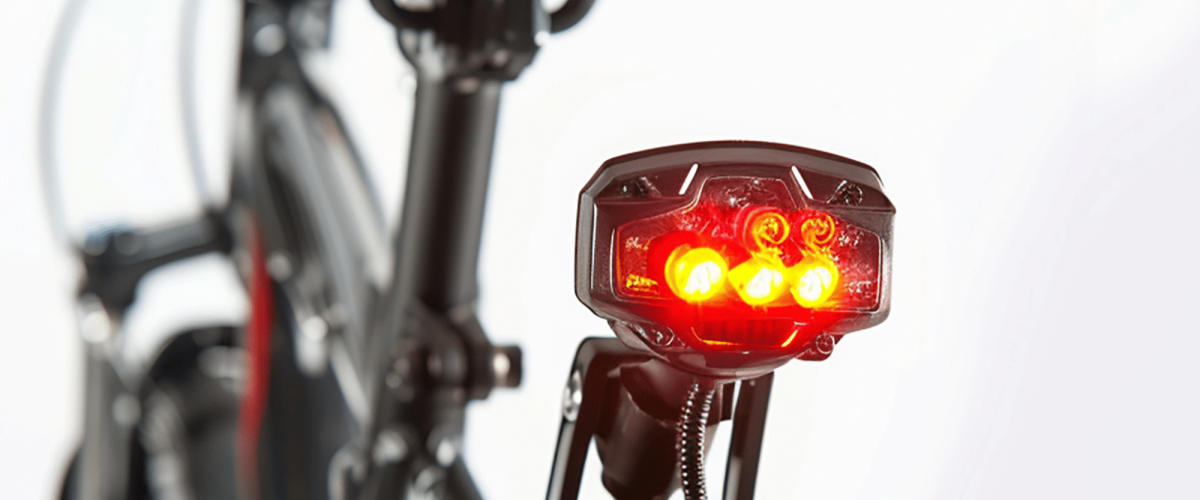
Front and Rear Bicycle Lights
Lights help motorists recognize cyclists earlier, particularly at intersections and during lower-light conditions.

Rear-Facing Cameras
Many cyclists now ride with cameras mounted behind their bicycles.
Video footage can capture:
- Passing distance
- Vehicle movements
- Driver behaviour
- The collision itself
This type of evidence can become invaluable if liability is disputed.

Bicycle Radar Systems
Modern radar systems alert cyclists when vehicles are approaching from behind.
While they cannot prevent every collision, they can provide valuable awareness, particularly on rural roads throughout Eastern Ontario.

Keep Looking After Yourself During Recovery
Your recovery doesn’t end after leaving the hospital.
Notify Your Insurance Company
Many injured cyclists are surprised to learn they may qualify for Statutory Accident Benefits under Ontario’s Insurance Act—even if they were riding a bicycle and not driving a vehicle.
Depending on the circumstances, benefits may be available through:
- Your own automobile insurer
- A spouse’s insurer
- A household family member’s insurer
- The insurer for the vehicle involved
There are important deadlines for submitting Accident Benefits applications, so it is best to begin the process promptly.

Keep Records of Everything
Create a spot that documents:
- Medical appointments
- Physiotherapy visits
- Prescription receipts
- Travel expenses
- Bicycle repair estimates
- Replacement equipment
- Time missed from work
- Correspondence with insurers
Also consider keeping a journal documenting:
- Your pain levels
- Physical limitations
- Missed activities
- Sleep disruption
- Emotional impacts
These notes often become much more helpful than trying to remember events months or years later.

What Does Ontario Law Say About Cyclist Collisions?
Several Ontario laws may become relevant following a bicycle collision.
Highway Traffic Act
Ontario’s Highway Traffic Act sets out rules governing both motorists and cyclists.
Drivers owe duties to safely share the road, including maintaining appropriate care when passing cyclists and yielding when required.
Cyclists must also follow many of the same rules that apply to motor vehicles.
Insurance Act
The Insurance Act governs Ontario’s No-Fault Accident Benefits system.
Even where fault is disputed, injured cyclists may still qualify for medical, rehabilitation, income replacement, attendant care, and other benefits depending on their circumstances.
Negligence Act
If another party’s negligence caused or contributed to the collision, the Negligence Act allows responsibility to be shared between parties where appropriate.
Every collision is unique. Liability depends on the specific facts, witness evidence, road conditions, applicable legislation, and the actions of everyone involved.
Should You Speak with a Personal Injury Lawyer?
Serious cycling collisions often involve multiple insurance companies, medical records, Accident Benefits claims, and questions about fault.
Obtaining legal advice early can help you better understand:
- Available insurance benefits
- Important limitation periods
- Evidence that should be preserved
- Potential claims for compensation
Many personal injury law firms, including Bergeron Clifford Injury Lawyers, offer free consultations so injured cyclists can better understand their rights before making important decisions.
The Road to Recovery Starts with Good Decisions
No one plans to be struck while riding a bicycle.
The moments after a collision are overwhelming, but taking the right steps can make a significant difference. Prioritize your health, report the collision, preserve as much evidence as possible, keep thorough records throughout your recovery, and understand the insurance benefits and legal options that may be available to you.
Every collision is different, and every case depends on its own facts. If you have questions about a personal injury claim in Ottawa, Kingston, Cornwall, Perth, Carleton Place, or anywhere across Eastern Ontario, the team at Bergeron Clifford Injury Lawyers is pleased to help.


