

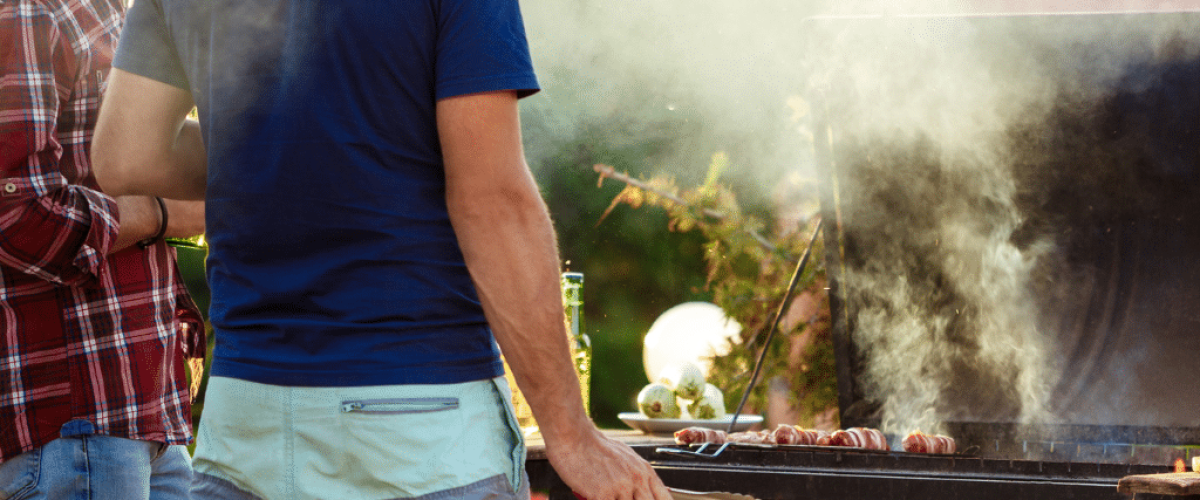
Barbecues are a staple of summer across Ottawa and Eastern Ontario. Whether cooking in a backyard, at a cottage, in a campground, or at a local park, grilling is a common way for families and friends to spend time together.
Though everyone enjoys a good BBQ meal, accidents do happen, and it is important to know how to stay safe while they are in operation. In this blog, we will discuss how BBQ’s can be dangerous and some BBQ safety tips.
When a Barbeque Becomes Dangerous
Barbecue accidents are not limited to minor contact burns. A person may suffer from a thermal burn after touching a hot grill or being exposed to an open flame. Propane ignition can cause sudden flash burns, while leaking cylinders, damaged hoses, or faulty connections may lead to fires or explosions.
Children are especially vulnerable because they may not appreciate that a barbecue remains hot long after the cooking has stopped. A moment of contact with a grill, lid, utensil, or spilled grease can cause a significant injury.
Although many incidents are preventable, the consequences can include hospitalization, surgery, permanent scaring, and lengthy rehabilitation.


A Few Simple Actions Can Help Prevent a Serious BBQ Accident
Although accidents can happen, many barbecue injuries result from issues that could have been avoided through proper maintenance and safe operation.
- Before using a propane barbecue, it is important to inspect hoses, valves, and connections for signs of wear or damage. Propane cylinders should always be:
- connected properly,
- stored upright, and
- handled according to the manufacturer’s instructions.
- Barbecues should only be used outdoors in well-ventilated areas and positioned away from homes, fences, and deck railings. Leaving a barbecue unattended while cooking can also increase the risk of fire or injury.
Organizations such as the Technical Standards and Safety Authority (TSSA) and Health Canada provide guidance on the safe use and maintenance of propane appliances and outdoor cooking equipment.
Who May Be Legally Responsible for a BBQ Injury?
Depending on the circumstances, responsibility for a barbecue-related injury may extend beyond the person who was injured.
For example, legal issues may arise where:
- A landlord failed to maintain common outdoor cooking facilities.
- A restaurant or event organizer failed to provide a reasonably safe environment.
- A defective barbecue or propane cylinder malfunctioned.
- A property owner failed to address known hazards.
- Someone operated a barbecue carelessly, causing injury to another person.
In Ontario, property owners and occupiers generally have a duty under the Occupiers’ Liability Act to take reasonable steps to ensure that people entering their premises are reasonably safe. Whether liability exists will depend on the location of the incident, who controlled the area or equipment, what hazard was present, and whether reasonable steps were taken to prevent the injury.
Can BBQ Burns Have Long Term Affects?
Even burns that initially appear manageable can lead to complications. Depending on the depth and location of the injury, treatment may include emergency care, skin grafts, reconstructive surgery, physiotherapy, occupational therapy, and scar management.
Burns affecting the hands may interfere with work, household tasks, and personal care. Facial burns may result in permanent scarring and psychological distress. Some individuals also experience nerve damage, chronic pain, reduced mobility, anxiety, or trauma following a fire or explosion.
Recovery can continue for months or years. The full impact of the injury may not be clear during the initial hospital visit.
What Should I Do After a BBQ Burn?
Following a serious burn, obtaining prompt medical attention should be the first priority. Early assessment can help determine the severity of the injury and whether specialized burn treatment is required.
Once the immediate medical concerns have been addressed, documenting the circumstances of the incident may become important. Photographs of the barbecue, propane cylinder, connections, surrounding area, and visible defects can help preserve conditions that may later change. Any available packaging, receipts, instruction manuals, maintenance records, or product information should also be retained.
Where defective equipment may have contributed to the injury, it should not be repaired or discarded before the circumstances have been investigated. Preserving the equipment may allow qualified professionals to determine whether a leak, component failure, maintenance issue, or improper installation played a role.
Have You Been Injured in a BBQ Accident?
If you or a loved one has suffered a serious burn or another injury in a barbecue-related accident, determining how the incident occurred may require a careful review of the equipment, property conditions, and actions of those involved.
Our Ontario personal injury lawyers can review your situation, explain your legal rights, and help determine whether compensation may be available. Contact us today to arrange a free consultation.


