

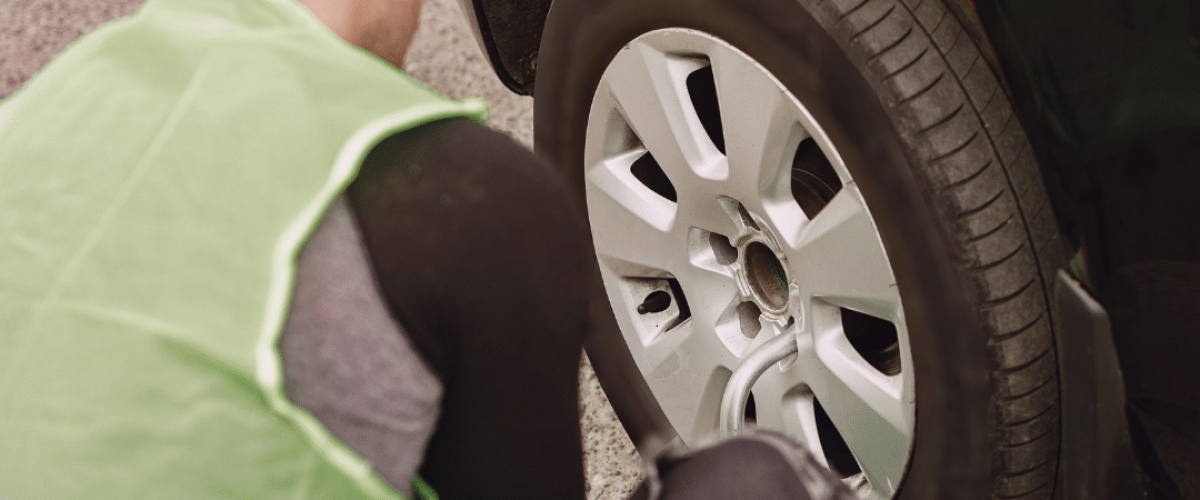
Last week I replaced the tires on my vehicle. They were not bald, but they were due to be replaced. In Ontario, you must have at least 1.5 mm of tread on your tires in Ontario, but the fact is that your tires lose much of their effectiveness before you get to 1.5 mm.
Poor tire maintenance can contribute to serious motor vehicle accidents.
Tire Safety Tips Every Ontario Driver Should Know
When thinking about tire safety, tread depth is usually the first to come to mind. However, there are several other important factors that affect vehicle safety and accident prevention.
Some key tire safety considerations include:
- Instally a quality set of winter tires that you put on your vehicle from November to mid-April
- Regularly examining your tires for cracking, damage, or uneven wear
- Ensuring your tires are properly inflated according to manufacturer recommendations
- Using the correct size tires and rims for your vehicle
- Making sure your wheels are properly balanced.
Routine tire maintenance can help improve traction, vehicle control, brake performance and overall road safety.


Why Is It Important to Retorque Your Wheels?
At this time of year, there is another important consideration: ensuring your wheels are properly torqued.
By now most folks across Ottawa and Eastern Ontario have switched from winter tires back to summer are all-season tires. Whether you change the tires yourself or have it done at a shop, it’s important to retorque your wheels after 50-100km.
Failing to do so can have serious consequences.
Earlier this month, a wheel flew off a vehicle on Highway 417 in Ottawa and caused injuries to another driver.
Another similar incident happened not too long after. The driver swapped his own tires and didn’t retorque his wheels. The OPP in Ottawa confirmed that the driver faced an automatic court appearance and a minimum $2,000 fine.
Retorquing helps ensure lug nuts remain secured after installation and reduces the risk of wheel separation and serious collisions.
Can You Be Liable If a Wheel Falls Off Your Vehicle?
Yes.
If the wheel flies off your vehicle because you did not get it retorqued, you could be liable for any injuries that causes to another person.
For example, if a loose wheel strikes another vehicle and causes injuries, liability could arise if reasonable maintenance or safety precautions were not taken.
However, responsibility may not always rest with the friver. A mechanic may share liability if:
- they did not tell you the wheels needed to be retorqued,
- they didn’t properly torque or retorque the wheels in the first place.
If you retorque the wheels yourself, make sure you’re doing it with a torque wrench and that you know the proper torque for the lug nuts on your wheels. It is a good idea to keep a record of that as well.
What Happens If You Are Injured in a Single Vehicle Accident?
If you are involved in a single vehicle accident because you didn’t retorque your wheels, there may still be someone else you can sue.
For example:
- perhaps the road conditions were poor
- the mechanic completed negligent work
While you generally cannot sue yourself for injuries resulting from your own negligence, you may not have any recourse through tort law. It’s still a good idea to consult with a personal injury lawyer to make sure.
Can You Still Receive Accident Benefits in Ontario?
Even if you don’t have any recourse through tort, you can still make an accident benefits claim.
In Ontario, accident benefits are no-fault benefits that are available to all accident victims in Ontario.


