

Winter driving in Ontario brings unique hazards—icy roads, snow squalls, and unpredictable weather. One of the most important steps drivers can take to stay safe is to equip their vehicles with winter tires. But beyond safety, did you know that failing to use winter tires could also impact your legal liability if you’re involved in a collision? Let’s explore how Ontario courts have addressed winter tire safety and what it means for drivers.
Why Are Winter Tires Important?
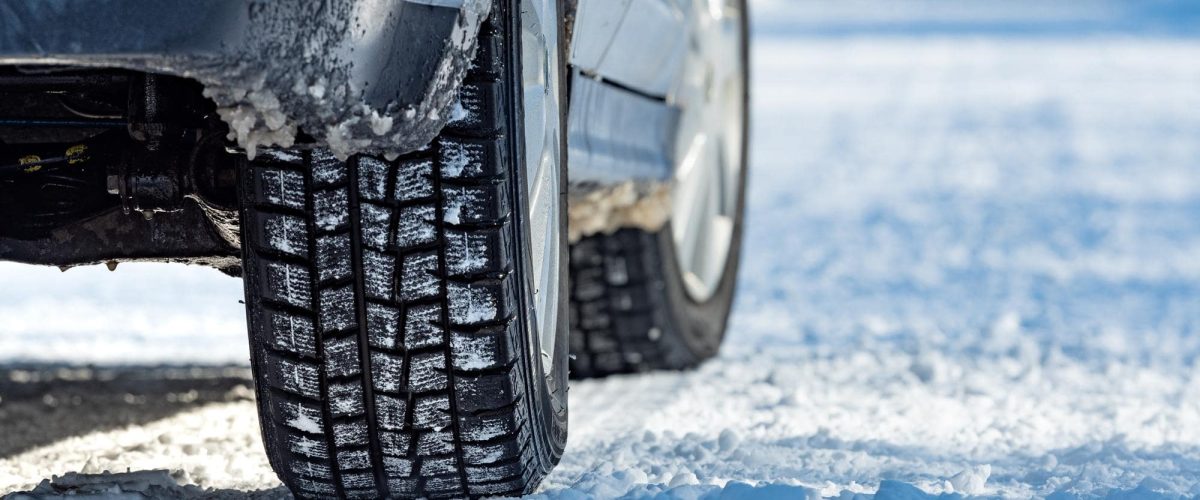
Winter tires are specifically designed to perform better in cold temperatures, snow, and ice. Their tread patterns and rubber compounds provide superior traction compared to all-season tires, reducing stopping distances and improving control. While Ontario does not mandate winter tires for all vehicles, using them is widely recognized as a best practice for winter driving. Sometimes it can even get you a discount on your insurance.
Legal Standards for Tires in Ontario
Ontario’s Highway Traffic Act and its regulations set minimum standards for tire condition, such as tread depth and prohibitions on exposed cords (R.R.O. 1990, Reg. 625: Tire Standards and Specifications). However, there is no province-wide law requiring winter tires for private passenger vehicles. Despite this, the type and condition of your tires can become a key issue if you’re involved in a winter collision.
Can You Be Liable for Not Using Winter Tires?
Possibly.
Liability can definitely arise for worn and over-inflated tires (see for example House v. Baird, 2017 ONCA 885 (CanLII)) but the case law specific to winter tires is limited.
There are two cases that discuss the issue however.
Hengeveld v. Ontario, 2022 ONSC 7155 (CanLII)
Hengeveld v. Ontario was a case where the plaintiff lost control of his vehicle and crossed into the Defendant’s lane. The Defendant couldn’t brake in time and struck the plaintiff, causing him serious injuries.
The Defendant brought a motion for summary judgment – as far as he saw it, there was no way he could have avoided the collision. The Court dismissed the motion, concluding that the Defendant’s liability was a genuine issue requiring a trial. One of the factors the Court considered was the lack of winter tires.
While this case doesn’t equate a lack of winter tires to negligence, it does show that the door is wide open for that type of claim.
Sim v. Hilton, 2025 ONSC 1134 (CanLII)
In Sim v. Hilton, the plaintiff struck two vehicles that got stuck on the road during a snowstorm. The vehicles were empty at the time and did not have their hazards on. While the case focused on other aspects of driver conduct, the court did consider that one of the parked vehicles may never have gotten stuck in the fist place if they had winter tires on.
The Court did not make a liability finding (like Hengeveld, this was a summary judgment motion) but did dismiss the summary judgment motion holding that there was a genuine issue for trial as to whether the Defendant was liable for the collision.
What Does This Mean for Ontario Drivers?
- No universal statutory requirement: Ontario does not legally require winter tires for all vehicles, but tire condition and suitability for the weather are always relevant.
- Potential liability: If you’re involved in a winter collision and your vehicle is not equipped with winter tires, this could be used as evidence that you failed to meet the standard of care, especially if road conditions were poor.
- Insurance implications: Some insurers offer discounts for using winter tires
Best Practices for Winter Tire Safety
- Install winter tires: Put them on before the first snowfall and keep them on until spring temperatures are consistently above 7°C.
- Check tread depth: Ensure your winter tires have adequate tread for maximum grip.
- Document your maintenance: Keep records of tire purchases, installation dates, and maintenance in case you need to demonstrate your diligence.
Conclusion
Equipping your vehicle with winter tires isn’t just about safety—it can also protect you from legal liability if you’re involved in a collision. Ontario courts seem willing to consider a lack of winter tires in the negligence analysis.
Stay safe, stay prepared, and make winter tire safety a priority this season.


