

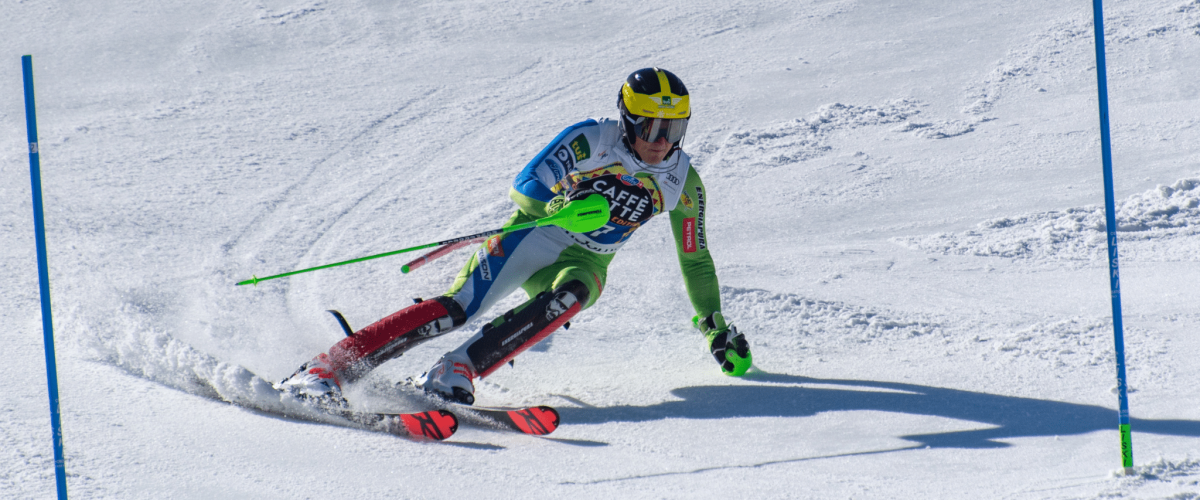
Every four years, the Olympic Games showcase extraordinary athletic performance, from high-speed downhill skiing to hard hitting hockey and complex gymnastics routines. While viewers admire the skill and courage of these athletes, one legal concept quietly underpins nearly every event: assumption of risk in Ontario personal injury.
In Ontario personal injury law, the doctrine of volenti non fit injuria, commonly referred to as “voluntary assumption of risk” can significantly affect whether an injured person is entitled to compensation. Understanding how assumption of risk applies to sports injuries in Ontario is essential, especially for those participating in sports and recreational activities.
What Is Assumption of Risk in Ontario?
The doctrine of volenti applies where a person:
- Knows of a specific risk, and
- Voluntarily agrees to assume both the physical and legal consequences of that risk.
If successfully established, volenti can operate as a complete defence in an Ontario personal injury claim, meaning the injured party may be barred from recovering damages.
At the Olympic level, athletes clearly accept certain inherent risks. A downhill skier understands the possibility of falling at high speeds. A boxer accepts the risk of being struck. A hockey player anticipates body contact.
But how does this translate into sports injury claims in Ontario tort law?
Inherent Risks vs. Negligence in Ontario Sports Injury Claims
Ontario courts draw an important distinction between:
- Inherent risks of a sport; and
- Unreasonable or negligent conduct that goes beyond what participants agreed to accept.
For example, an OHL (Ontario Hockey League) hockey player implicitly accepts the risk of being body checked during play. However, that player does not consent to being deliberately struck from behind long after the whistle or assaulted with a stick.
The same principle applies across sports. Participants assume ordinary risks, not reckless or intentional misconduct. When a serious injury results from a player using excessive force with reckless disregard for the safety of other participants, that conduct falls outside the scope of implied consent under Ontario personal injury law.
In other words, Defendants in Ontario sports injury cases can be held liable when it is proven that they knew or ought to have known the rules, acted with a deliberate intent to injure, or displayed reckless disregard for the consequences of their actions and the safety of others. Negligence is assessed by comparing an athletes conduct against both the sports rules and the standard of a reasonable competitor.


Waivers and Recreational Activities
Many organized sports leagues, gyms, and ski resorts in Ontario require participants to sign liability waivers. These documents attempt to limit liability for injuries.
However, waivers are not automatically enforceable under Ontario personal injury law. Courts examine:
- Whether the waiver was clearly drafted;
- Whether it was brought to the participant’s attention;
- Whether it specifically covers the type of negligence alleged; and
- Whether it was signed voluntarily, without fraud, misrepresentation, or coercion.
A poorly drafted or ambiguous waiver may not protect an organizer from liability in an Ontario sports injury claim.
Lessons from the Olympic Stage: Understanding Assumption of Risk in Ontario
The Olympics remind us that athletic participation carries obvious risks. But in Ontario, the law carefully balances personal responsibility with accountability.
Participants are expected to understand and accept the ordinary dangers of sport. At the same time, coaches, leagues, facilities, and fellow competitors still owe a duty of care not to act negligently or recklessly under Ontario tort law.
When injuries occur, the legal analysis in an Ontario sports injury case focuses on:
- What risks were inherent in the activity;
- Whether the Defendant’s conduct fell outside accepted standards; and
- Whether the injured party consented or contributed to their own loss.
It is important to remember that each Ontario personal injury case turns on its specific facts.


Final Thoughts: Know Your Rights After a Sports Injury in Ontario
Whether watching elite athletes compete on the world stage or participating in local recreational leagues, it is key to understand that assumption of risk has limits. In Ontario personal injury law, consenting to participate in a sport does not mean giving up all legal rights.
If you or a loved one has been injured during a sporting or recreational activity, legal advice can help clarify whether the injury arose from an inherent risk, or from conduct that crosses the line into negligence under Ontario law.
If you have questions about a sports-related injury, assumption of risk or the enforceability of a waiver in Ontario, our office can help assess your situation. Contact us for a confidential consultation to understand your rights and options under Ontario personal injury law.


