

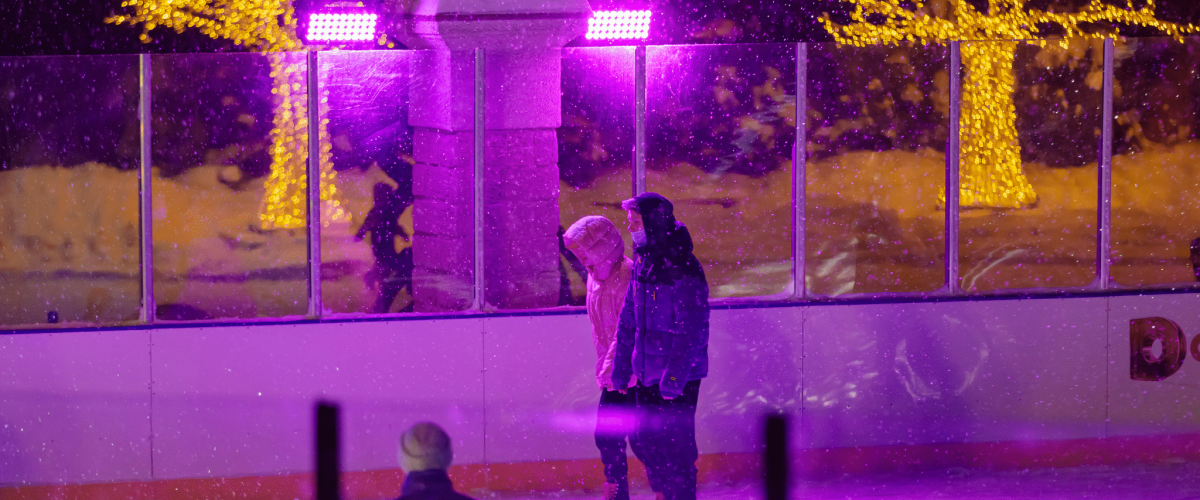
Public ice rinks are a winter tradition across Ontario. From outdoor skating trails and neighbourhood community rinks to city-operated arenas offering public skating sessions, municipalities provide safe recreational spaces throughout the winter season.
If you are injured at a public ice rink in Ontario, your potential claim will almost always involve the municipality that owns or operates the facility. These municipal liability claims cases are legally distinct from claims involving private recreational facilities, and strict rules apply under Ontario personal injury law.
Are Municipalities Responsible for Ice Skating Injuries at a Public Ice Rink?
In Ontario, municipalities are governed by the Occupiers’ Liability Act. As occupiers of public ice rinks, cities and towns have a legal duty to take reasonable steps to ensure the premises are reasonably safe for those using them.
This does not mean a municipality guarantees that no one will fall. Ice skating carries inherent risks. However, municipalities must properly maintain and supervise public ice rinks, including:
- Ensuring ice rink is resurfaced and maintained at reasonable intervals
- Addressing dangerous snow and ice accumulation near entrances and walkways of a public ice rink
- Repairing broken boards, railings, or exposed fixtures around the public ice rink
- Providing adequate lighting during evening skating sessions at a public ice rink
If a municipality fails to meet this standard and someone is injured as a result, it may be liable for damages in a municipal slip and fall claim.


The 10-Day Notice Requirement in Ontario for Slip and Fall Claims After Being Injured at a Public Ice Rink
One of the most important aspects of a claim involving an injury at a public rink is the 10-day notice requirement.
Where an injury involves snow or ice on municipal property, Ontario law generally requires written notice to the municipality within 10 days of the incident. This applies to many slip and fall cases at public rinks, particularly those involving icy walkways, entrances, or surrounding areas.
Failing to provide proper notice within this timeframe can significantly jeopardize a claim. For this reason, speaking with an Ontario personal injury lawyer as soon as possible is critical.
When Is a Municipality Negligent in a Public Ice Rink Injury?
Not every fall on the ice will result in a successful claim. The law recognizes that skating involves obvious risks, including losing your balance or colliding with other skaters.
However, a municipality may be negligent if the injury was caused by conditions that go beyond the ordinary risks of skating. Examples may include:
- Deep, unrepaired ruts left on the ice during public sessions
- Hazardous ice build-up in high-traffic areas
- Poor lighting that makes dangerous conditions difficult to see
- Failure to properly inspect and maintain rink facilities
Each case depends on the specific facts, including inspection schedules, maintenance logs, weather conditions, and witness evidence. Establishing negligence in a municipal liability claim requires detailed evidence and legal analysis.


Common Injuries from Public Ice Rink Accidents in Ontario
Public skating injuries can be serious, particularly for children and older adults. Common injuries include wrist fractures, concussions, shoulder injuries, and hip fractures. In more severe cases, head injuries or spinal injuries can lead to long-term complications requiring ongoing treatment and rehabilitation.
Determining whether the ice skating injury was caused by ordinary skating risk or negligent maintenance is central to assessing a legal claim for compensation after a slip and fall accident.
What to Do After an Injury at a Public Rink in Ontario
Because rink conditions change quickly, early documentation is essential. If you are injured:
- Report the incident to the rink or municipal staff immediately
- Request that an incident report be completed
- Take photographs of the ice and surrounding area
- Obtain contact information for any witnesses
- Seek medical attention right away
Taking these steps can help preserve important evidence and protect your potential claim. Most importantly, seek legal advice as soon as possible to ensure the 10-day municipal notice requirement is properly met and your legal rights are protected.
In Conclusion: Protecting Your Rights After a Public Ice Rink Injury
Claims against municipalities involve strict notice deadlines and procedural rules that require prompt action. Evidence can disappear quickly, especially in winter conditions where ice is resurfaced regularly and weather changes daily. If you have been injured at a public skating rink, contact us for a free consultation. Acting quickly can make the difference in protecting your rights.


