

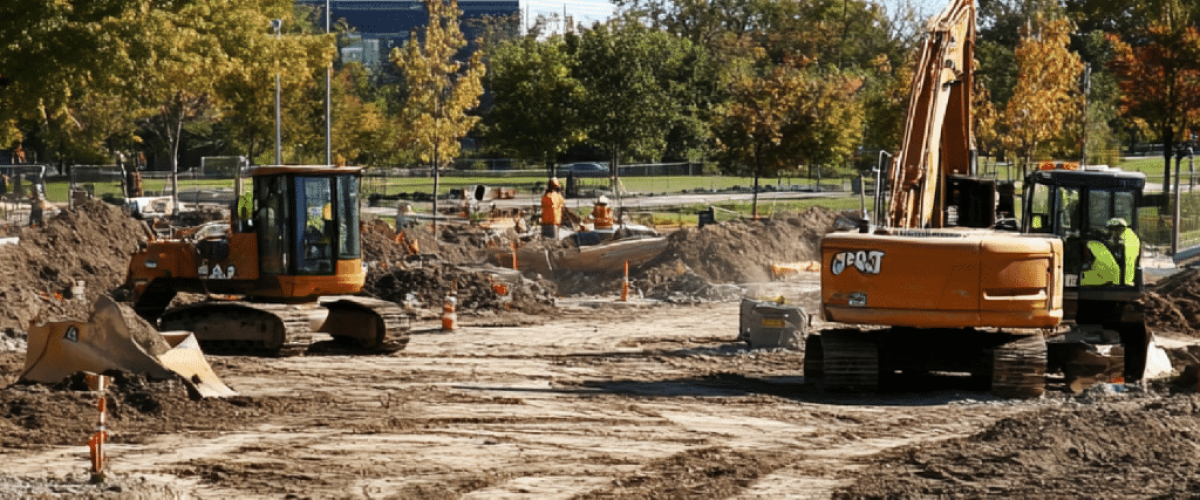
Construction projects are a common sight across Ottawa and the rest of Ontario, especially in the summer. They do cause some serious hazards, both for workers and members of the public. In a recent construction zone in Ottawa’s east end, a worker had to be rescued after falling from a ladder into a construction pit. This is just a reminder as to how quickly an accident can happen.
What many people don’t realize, is that someone injured in the exact same construction zone, may have very different legal rights simply depending on if they were working on the site, or simply walking by. This distinction can affect who may be responsible, how a claim proceeds and the compensation that may be available.
Construction zones can be dangerous.
Some items that may cause threat include:
- Open excavations
- Ladders
- Scaffolding
- Heavy equipment
- Temporary walkways
- Fencing
- Debris
Construction workers are exposed to such dangerous conditions every day. When the public hears about a construction accident, most people first think that a worker has been injured. And though this can be true, it is important to remember to note that construction zones can also be hazardous for:
- Pedestrians
- Customers
- Tenants
- Neighbours
- Anyone else passing through the construction zone
From the perspective of personal injury, it is important to note the type of person injured in the zone. This is important because based on who it was, the legal process, responsible parties and type of compensation available may change.
Construction Workers Face a Different Legal System
When a construction worker is injured on the job, the claim often begins in the workplace injury system. In Ontario, many employees injured at work must pursue benefits through the Workplace Safety and Insurance Board (WSIB). This can affect whether the worker is able to sue their employer directly or not.
Construction projects usually involve many different people and companies. There may be:
- An employer
- a general contractor
- subcontractors
- property owners
- supervisors
- equipment suppliers
- others
Each of these parties could have had some role in controlling the worksite or creating the dangerous condition.
For example, lets use the recent story of a worker had to be rescued after falling from a ladder into a construction pit on the east end of Ottawa.
A fall from a ladder into a construction pit raises obvious safety concerns and a large amount of questions:
- Was the ladder properly placed and secured?
- Was the worker given appropriate training?
- Was fall protection required?
- Was the pit properly guarded?
- Were there barriers, covers, or warnings?
- Had the area been inspected?
These are the kinds of questions that matter after a serious workplace construction injury.
For workers, construction safety is also governed by detailed workplace safety rules. Employers and constructors are expected to take practical steps to reduce risk before an accident happens. That can include:
- training workers
- supervising the site
- maintaining equipment
- guarding openings and excavations
- making sure workers are not exposed to preventable hazards.
In some cases, WSIB may be the main route for compensation. In other cases, there may be a potential claim against a third party. This is especially true when someone outside the worker’s direct employment contributed to the injury. This distinction can be extremely important when the injuries are serious and the worker’s ability to earn a living has been affected.


Pedestrians Injured Near Construction Sites Have Different Rights
A pedestrian injured near a construction zone is usually in a different legal position than a worker. They are generally not part of the workplace system. Instead, their claim is often based on premises liability, occupiers’ liability, and negligence.
Property owners and anyone else who controls a site must take reasonable care to keep people safe.
A pedestrian should not have to guess where it is safe to walk.
If a sidewalk is closed, the alternate route should be clearly marked and reasonably safe.
If there is an open pit, it should be properly fenced, covered, or guarded.
If construction materials are present, the people responsible for the site must consider whether those hazards create a foreseeable risk to the public.
Construction zones are often confusing because:
- A walkway that was open yesterday may be blocked today.
- A fence may be moved. A trench may be dug.
- Signs may be missing, unclear, or poorly placed.
- Lighting may be inadequate at night.
This is especially true in growing cities like Ottawa, where construction projects often border busy sidewalks, intersections, transit stops and commercial areas used by thousands of pedestrians every day.
These changing conditions are exactly why careful site management matters.
When someone controls property or creates a hazard, they may have a duty to take reasonable steps to prevent injury.
The Same Hazard Can Lead to Different Legal Claims
If a worker falls into that pit while doing their job, the case may involve:
- workplace safety rules
- WSIB
- the employer’s duties
- the constructor’s obligations
- possibly third-party responsibility.
If a pedestrian falls into that same pit while walking near the site, the case may instead focus on:
- whether the property owner, contractor, municipality, or another occupier failed to keep the area reasonably safe for the public.
The injury may look the same. The hazard may be the same. But the legal analysis can be very different.
That difference matters because it can affect:
- who is named in a claim
- what deadlines apply
- what evidence is needed
what compensation may be available


Responsibility Is Often Shared
Construction projects are rarely simple.
- A property owner may hire a general contractor. The general contractor may hire subcontractors.
- A municipality may be involved if the work affects a sidewalk, roadway, or public space.
- A property manager may be responsible for access to a building.
- A subcontractor may leave equipment or debris in a dangerous location.
After an injury, it is not always obvious who was responsible. The person or company whose name appears on a sign may not be the only party involved. The legal questions are usually broader: who had control over the area, who knew or should have known about the hazard, and who had the ability to fix it or warn people about it?
In a pedestrian case, that may mean looking at:
- fencing,
- signage,
- lighting,
- site access,
- inspection records,
- contracts,
- maintenance logs, and
- photographs of the area.
In a worker case, it may also mean reviewing:
- training records,
- safety procedures,
- supervision,
- equipment condition, and
- the role of each contractor on site.
Compensation After a Construction-Zone Injury
The compensation available depends on the type of claim. A worker may receive WSIB benefits, which can include:
- income replacement
- medical or rehabilitation support.
In some circumstances, there may also be a separate claim involving another party.
A pedestrian or visitor injured because of an unsafe construction area may be able to claim damages for:
- pain and suffering,
- lost income,
- future loss of earning capacity,
- treatment expenses,
- rehabilitation costs,
- out-of-pocket expenses, and
- future care needs.
The seriousness of the injury matters, but so does the strength of the liability case. A successful claim usually requires showing that:
- someone failed to take reasonable care and
- that this failure caused or contributed to the injury.


Construction Zones Should Be Safe for Workers and the Public
Construction is part of everyday life across Ottawa and Eastern Ontario. Whether it is road reconstruction, new housing developments, commercial projects or municipal infrastructure upgrades, these projects should always be planned and carried out with safety in minf.
Workers should not be exposed to:
- preventable falls,
- unsafe ladders, or
- unprotected pits.
Pedestrians should not be left to navigate unclear detours, hidden hazards, unstable walking surfaces, or poorly marked construction areas.
Whether the injured person is an employee on site or a passerby walking nearby, the central question is often the same: could reasonable steps have prevented this injury?
If the answer is yes, there may be a legal claim.
Injured on or Near a Construction Site?
If you were injured on a construction site, near a construction zone, or on someone else’s property, Bergeron Clifford can help you understand your options. Reach out to Bergeron Clifford Injury Lawyers today for a free consultation.


