

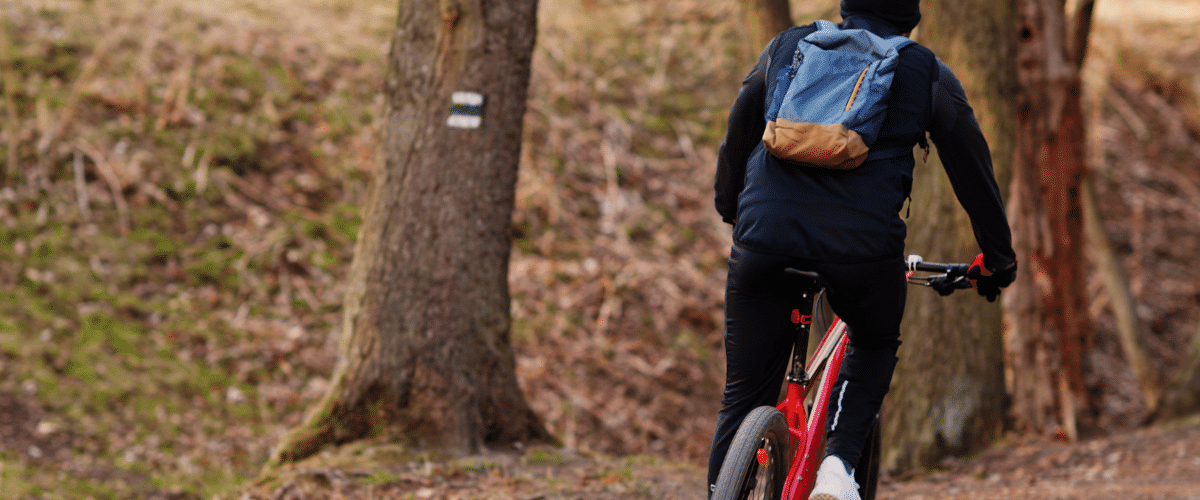
There is something unmistakably special about cycling through Ottawa in the fall.
The air is crisp, the summer crowds have thinned, and the city’s familiar cycling routes take on an entirely different character. Along the Rideau Canal, golden leaves gather beside the water. The Ottawa River pathways offer sweeping views of autumn colours, while a ride through the Greenbelt can feel like a brief escape from city life.
For many Ottawa cyclists, this is the best time of year to be on two wheels.
But autumn also has a way of disguising danger. A beautiful stretch of fallen leaves can conceal a slippery patch of pavement. An afternoon commute that felt perfectly safe in August may now end in near darkness. And motorists adjusting to changing light, weather and road conditions do not always give cyclists the attention or space they deserve.
At Bergeron Clifford Injury Lawyers, we believe cycling safety deserves more than a seasonal reminder to wear a helmet. It requires an understanding of how our roads, weather and legal responsibilities intersect, particularly during a season when conditions can change without much warning.
Fall Cycling in Ottawa: Beautiful Routes, Hidden Hazards
Ottawa is fortunate to have an extensive network of cycling infrastructure, with routes that serve commuters, recreational riders and families alike.
The National Capital Commission’s cycling guide highlights more than 200 kilometres of multi-use pathways throughout the National Capital Region, connecting areas such as downtown Ottawa, Gatineau Park and the Greenbelt.
These routes are part of what makes our city such an appealing place to cycle. In the fall, however, they deserve a little extra caution.
Wet leaves can reduce traction, particularly when braking or turning. Morning frost may form on shaded pavement even when surrounding roads appear dry. Rainwater can collect in uneven sections of a pathway, concealing cracks, potholes or debris.
The challenges are not limited to recreational trails. Cyclists travelling through Centretown, along Laurier Avenue, or across busy intersections in neighbourhoods such as Hintonburg and Westboro must also contend with turning vehicles, opening car doors and drivers whose visibility may be affected by rain or glare.
A route you have travelled hundreds of times can become considerably less forgiving after one cold October night.
This raises an important question: if poor road or pathway conditions cause a bicycle accident in Ottawa, who may be legally responsible?
The answer depends on the circumstances. In our article, Who Is Responsible for Injuries on Ottawa Trails and Pathways?, we explore how issues such as pathway maintenance, hazardous conditions and negligence may affect legal liability.
Not every fall or injury gives rise to a legal claim. However, a serious accident should not automatically be dismissed as an unavoidable consequence of cycling. Depending on who owns or maintains the pathway, and what cause the accident, an injured cyclist may have legal options worth exploring.
The Earlier Sunset Changes More Than Your Evening Ride
One of the most underestimated autumn cycling hazards is the rapid loss of daylight.
A cyclist leaving work at 5:30 p.m. in September may enjoy a comfortable ride home in daylight. By November, that same journey may take place largely in darkness.
The change can catch both cyclists and motorists off guard.
Ontario’s Highway Traffic Act requires bicycles to have appropriate lighting and reflective equipment during prescribed hours of darkness and in certain poor-visibility conditions. Specifically, the lighting requirement applies from half an hour before sunset until half an hour after sunrise, as well as when atmospheric or lighting conditions substantially reduce visibility.
The Ontario government’s bicycle safety guidance explains the equipment and road rules cyclists must follow.
For Ottawa cyclists, a few practical adjustments can make a meaningful difference:
- Check your front and rear lights before leaving home, even if you expect to return before sunset.
- Reduce your speed on wet pavement, especially around bends, intersections and areas covered in leaves.
- Give yourself extra braking distance, particularly when temperatures approach freezing.
- Wear visible or reflective clothing and remain alert to vehicles entering or crossing cycling lanes.
- Reconsider your route when conditions deteriorate. The shortest journey is not necessarily the safest one.
These precautions matter, but they do not transfer the entire burden of road safety to cyclists.
Drivers have legal responsibilities too.


Ontario Bicycle Laws: Drivers Have a Responsibility to Share the Road
There is a tendency to discuss bicycle collisions as though cycling itself were the problem.
But cyclists have a legitimate place on Ontario’s roads, and motorists must recognize that the consequences of a collision are rarely equal.
A driver may emerge from an incident with a damaged bumper. A cyclist may be left with a fractured wrist, a concussion, spinal injuries or months of rehabilitation.
Under Ontario law, motorists overtaking cyclists must generally provide at least one metre of passing space, as nearly as practicable. The Ontario Ministry of Transportation’s Driver’s Handbook also reminds drivers to check blind spots before turning, remain alert at intersections and avoid following cyclists too closely.
In autumn, these responsibilities become particularly important.
Wet roads can increase stopping distances. Low-angle sunlight may impair visibility. Fallen leaves can force a cyclist to move around an obstruction rather than remain close to the edge of the road.
A cyclist making that adjustment is not necessarily riding carelessly. They may be responding to a hazard that a driver cannot see.
Our firm’s earlier article, Navigating Cycling Injuries and Lawsuits in Ontario: A Guide for Seekers of Justice, examines the legal considerations that can arise when cyclists suffer injuries, including questions of negligence and compensation.
Understanding these rights matters because a bicycle collision is not always a simple question of who hit whom. Road positioning, visibility, driver conduct, infrastructure conditions and available evidence may all play a role.


What Should You Do After a Bicycle Accident in Ottawa?
When a cycling accident happens, the immediate priority should always be personal safety and medical attention.
Some injuries are obvious. Others, particularly concussions, soft-tissue injuries and certain neck or back injuries, may not become fully apparent until hours or days later.
If you are involved in a cycling collision, seek appropriate medical care, report the incident to police when required, and preserve any available evidence.
Photographs of the roadway, damaged bicycle, surrounding conditions and nearby traffic signs may become important. The names of witnesses, information about involved vehicles and any available camera footage can also help establish what occurred.
If a dangerous pathway or roadway condition contributed to the accident, documenting its exact location and appearance may be particularly valuable.
Depending on the circumstances, an injured cyclist may have access to accident benefits through Ontario’s automobile insurance system, even if they were riding a bicycle rather than driving a car. A separate claim for damages may also be possible where another party’s negligence contributed to the injuries.
Claims involving municipalities or public infrastructure can raise additional legal issues, including potentially short notice periods. Obtaining legal advice early can help protect your rights.
At Bergeron Clifford Injury Lawyers, we understand that the consequences of a cycling injury often extend far beyond the accident itself.
Missing work, attending medical appointments, managing ongoing pain and facing uncertainty about recovery can place enormous strain on injured individuals and their families.
The legal process should provide clarity, not add unnecessary confusion to an already difficult situation.
Enjoy Fall Cycling in Ottawa, but Never Underestimate the Risks
It would be a shame to spend Ottawa’s most colourful season worrying about everything that could go wrong.
Cycling is part of what makes our community vibrant. It connects neighbourhoods, encourages healthier living and gives people a chance to experience our city at a pace that driving rarely allows.
We should be able to enjoy those benefits without accepting preventable injuries as the price of sharing the road.
That requires thoughtful cyclists, attentive motorists and infrastructure that is maintained with public safety in mind. It also requires accountability when someone fails to meet their responsibilities.
At Bergeron Clifford Injury Lawyers, we believe people who have suffered serious injuries deserve to be heard, treated with dignity and given clear guidance about their legal options. Our work is about understanding how an accident has changed someone’s life and helping them pursue a fair outcome.
If you or someone you love has been seriously injured in a bicycle accident in Ottawa or elsewhere in Eastern Ontario, our team can help you understand your rights and determine what steps may be available.
As you head out to enjoy the autumn colours, remember that the most important part of any ride is not the distance travelled or the destination reached.
It’s getting home safely. And when someone else’s negligence makes that impossible, you deserve someone who will take your recovery, your future and your rights seriously.


