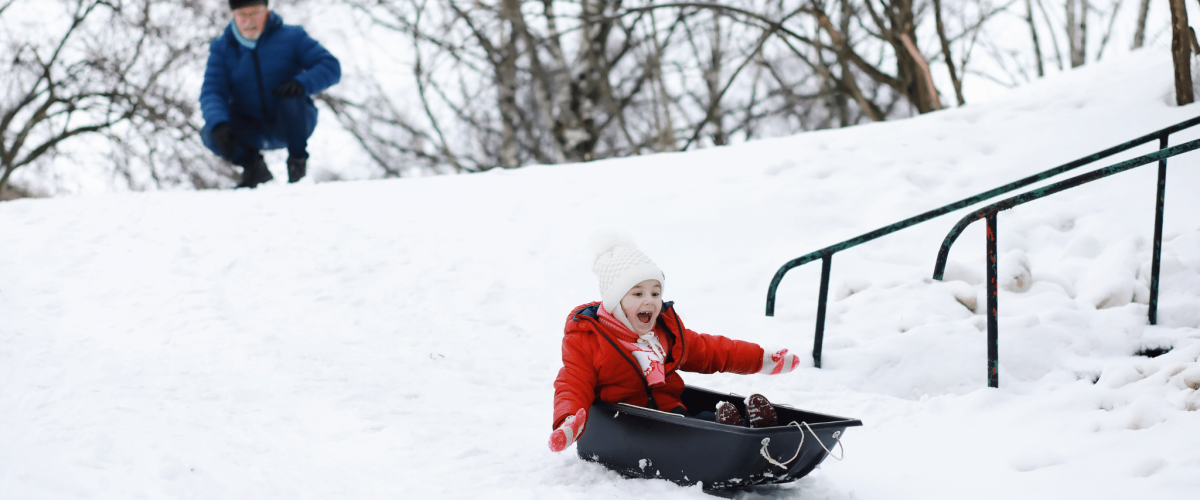
Sledding, or often referred to as tobogganing, is a popular winter activity across Ontario, particularly for families with young children. While it is commonly seen as a harmless seasonal pastime, sledding can result in serious and sometimes catastrophic injuries.
Common Injuries Caused by Sledding Accidents
The injuries sustained in sledding accidents range widely in severity. They can include concussions, traumatic brain injuries, spinal cord injuries, broken bones, and facial fractures. Children are especially vulnerable due to their size, lack of protective equipment, and limited ability to assess risk. Adults can also suffer serious injuries, particularly where higher speeds are involved.
Common Causes of Sledding Injuries in Ontario
Many sledding accidents occur due to unsafe conditions rather than momentary carelessness. Poorly maintained hills, hidden obstacles beneath the snow, icy surfaces that significantly increase speed, and the absence of barriers near roads, parking lots, or drop-offs all increase the likelihood of serious injury. Collisions with trees, poles, fences, or other sledders are among the most common causes of harm.
Who Is Responsible for a Sledding Injury in Ontario?
Legal responsibility for a sledding accident depends on where the incident occurred and who controlled the property.
Municipalities: if an accident occurred on city-owned land, such as a public park or hill.
Schools or school boards: if the hill was on school property.
Private property owners: if the injury occurred on privately owned land that was open or accessible to the public.
How Occupiers' Liability Applies to Sledding Accidents
Ontario’s occupiers’ liability laws require property owners and occupiers to take reasonable steps to ensure that people using their premises are reasonably safe. This duty may include maintaining the property, removing hazards, installing barriers, or providing appropriate warnings. Although sledding involves inherent risk, property owners are not protected from liability where injuries result from hidden dangers or negligent maintenance.
Do You Assume the Risk When Sledding
A common misconception is that sledders automatically assume all risk simply by choosing to participate in winter activities. While individuals may accept the ordinary risks of sledding, they do not assume the risk of dangerous conditions that could have been addressed through reasonable care. Courts consider whether hazards were obvious, whether warnings were provided, and whether reasonable safety measures were in place.
Sledding Injuries Involving Children
When a child is injured in a sledding accident, Ontario courts apply additional scrutiny. Children are not held to the same standard of judgment as adults, and property owners are expected to anticipate that children may engage in unsafe play. As a result, a higher standard of care may apply where children are known or are reasonably expected to use the property.
What to Do After a Sledding Accident
If you or your child is injured in a sledding accident, there are steps you can take to protect your rights:
Seek medical attention immediately.
Document the scene (photos of the hill, obstacles, lack of signage).
Obtain witness information if possible.
Report the incident to the municipality or property owner.
Consult a personal injury lawyer to review your potential case.
Can You Claim Compensation for a Sledding Injury?
Sledding injuries can result in long-term physical, emotional, and financial consequences. Where an injury is caused by unsafe conditions or a failure to take reasonable precautions, Ontario law may allow injured individuals and families to pursue compensation for medical expenses, loss of income, and future care needs.
Let us help you if you have been injured anywhere in Eastern Ontario. Contact us at 866-384-5886 or fill out our online form. We can meet at any of our office locations, including Kingston, Ottawa, Whitby, Carleton Place,Perth or wherever is most convenient for you.
This article, hosted by the American Association of Justice, shows us how some insurance companies unjustly deny claims, discriminate by credit score, delay payments until death, and employ other tactics to make sure they make the most profit as possible, […]
Bergeron Clifford is proud to support Kingston Literacy by participating in the 15th Annual Grate Groan Up Spelling Bee. The Bee took place on May 17th, 2009, at the Ambassador Hotel, which is a new venue for the event. Team […]